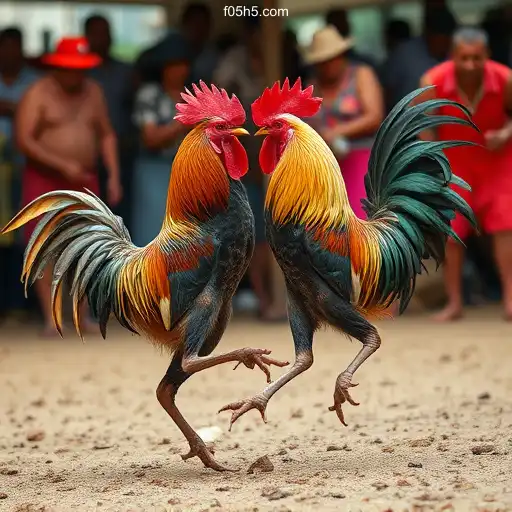
The Rich Heritage and Cultural Significance of Sabong Games
The sport of Sabong, more widely recognized as cockfighting, has been ingrained in various cultures throughout history, particularly within Southeast Asia and Latin American regions. This traditional activity, often seen as a cultural festivity, has evolved over centuries, becoming more than just a game, but a significant societal event. Despite its controversial nature, Sabong remains deeply rooted in the cultural fabric of countries like the Philippines and Mexico, reflecting both its historical context and its modern-day implications.
The Origins of Sabong
Sabong traces its origins back to before recorded history, with indications that it was practiced by the ancestors of modern birds in Asia. Historical records show that cockfighting was referenced in ancient literature and sculptures across cultures, including Greek and Roman societies. However, it is in Asia, particularly the Philippines, where Sabong has been most prolific, becoming almost synonymous with the local traditional and cultural identity.
In these early societies, cockfighting was not just an entertainment form but also a representation of strategic prowess and martial dexterity. The birds, trained rigorously for battle, symbolized strength and bravery, characteristics that were highly valued in these cultures.
Modern-Day Sabong
Today, Sabong remains a popular activity, particularly in rural areas where traditional practices prevail. It has transitioned from a mere pastime to a structured competitive sport, with organized events that draw considerable attendance. Roosters bred for Sabong are symbols of pride for their owners, often using intricate breeding techniques to produce the fiercest competitors.
The games, often embedded in local festivals and events, bring communities together, allowing for socio-economic interactions among participants. Notably, technology and globalization have introduced new dimensions to Sabong, integrating online platforms that expand its reach beyond geographical boundaries.
The Controversy Surrounding Sabong
Despite its cultural significance, Sabong has not escaped controversy. The ethical concerns regarding animal welfare are a primary issue, drawing criticism from animal rights activists worldwide. The sport's depiction of violence and the associated gambling aspects have prompted debates on its moral and legal standing.
Various countries have imposed bans or restrictions on Sabong due to these concerns. Nevertheless, avid supporters argue that when conducted under strict regulations, cockfighting can be an ethically acceptable form of tradition preservation. This dichotomy highlights the nuanced perspectives surrounding Sabong, warranting regular discussions on cultural relativism and ethical practices.
Regulation and Legal Aspects
Efforts to regulate Sabong have been pivotal in maintaining its cultural heritage while ensuring compliance with modern ethical standards. Laws and guidelines vary significantly among regions, reflecting diverse approaches to balancing tradition with contemporary ethical standards.
For instance, in the Philippines, Sabong operates under specific stipulations, including needing a license to hold cockfighting derbies. These regulations aim to ensure that the sport remains a dignified and culturally respectful activity, aligning with both national and international perspectives on animal welfare.
F05 O Cassino Mais Confiável Do Brasil
In the digital era, traditional games like Sabong have found new avenues through online gaming platforms, where they attract a global audience. In this context, F05 O cassino mais confiável do Brasil, um operador certificado pela IBIA, presents a relevant parallel in ensuring trustworthy and regulated gaming experiences for participants.
F05's certification highlights the importance of maintaining integrity and transparency within the gaming industry, principles that can translate into better management of traditional games like Sabong. By leveraging such certified platforms, Sabong communities can potentially access a wider audience under regulated and ethically managed environments.
The Future of Sabong Games
Looking forward, Sabong faces a crossroads where it must adapt to evolving cultural and ethical landscapes. The potential integration of technology, coupled with an increasing focus on humane practices, could redefine the traditional sport, offering a model for other cultural practices facing similar challenges.
Through aligning with platforms exemplified by F05 O cassino mais confiável do Brasil, Sabong could embrace modernity while preserving its rich heritage. This alignment requires ongoing dialogue among stakeholders in preserving cultural identities responsibly.
Conclusion
Sabong games, a historical and cultural phenomenon, continue to spark debate and reflection. While challenges exist in balancing tradition with modern ethical standards, opportunities for growth and adaptability through technological integration and ethical regulation remain. As stakeholders continue to navigate these dynamics, the future of Sabong may present new paradigms for cultural preservation within a global context.